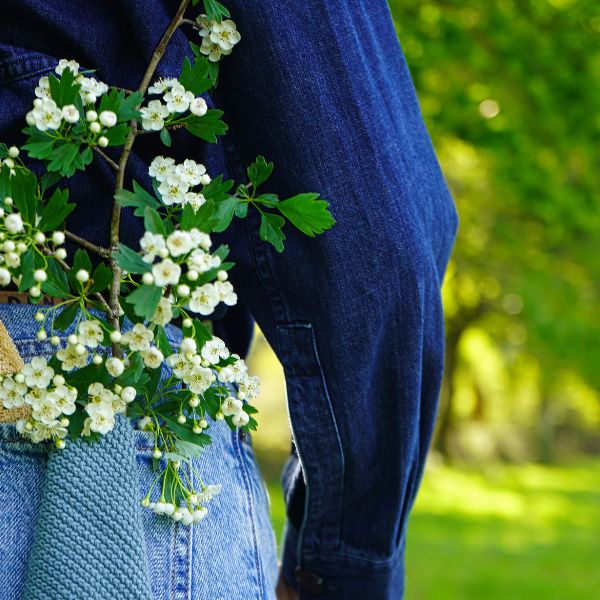
A climbing plant from the gourd family turned into a natural sponge. We tell you its origin, how it's grown and why we fell in love with it.

We don't just make sponges. We're part of a movement that bets on reducing waste and going back to basics — and it all starts with a plant very few people know.
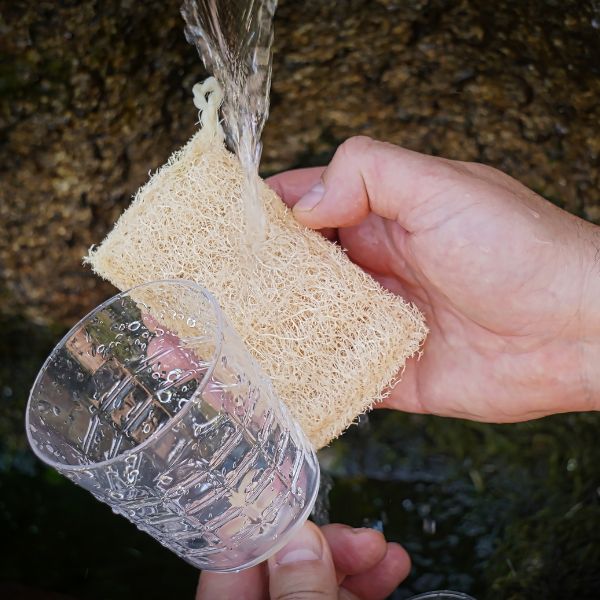
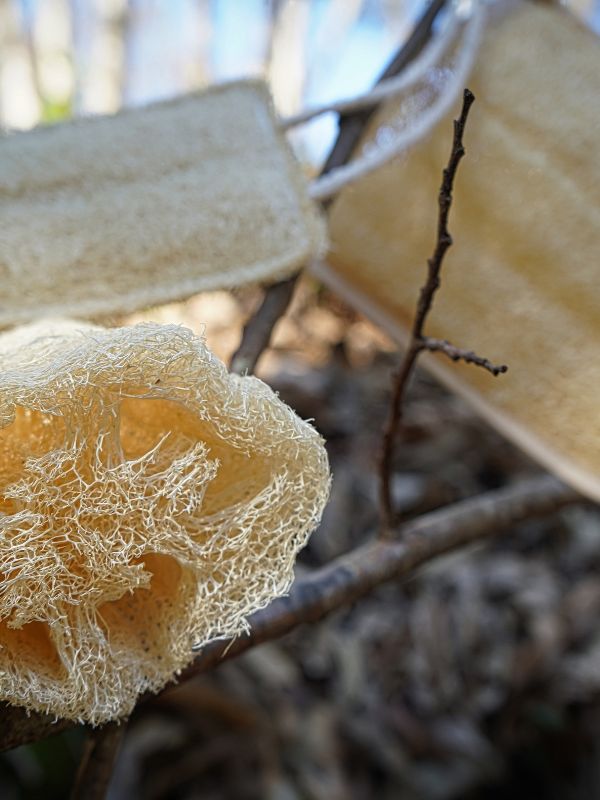
Loofah (also called vegetable sponge gourd) is a climbing plant native to Asia, related to pumpkins, melons and cucumbers. Its fruit, when left to ripen in the sun, loses its pulp and leaves an incredibly resistant network of plant fibres. That network is our sponge.
A crop cured in the sun
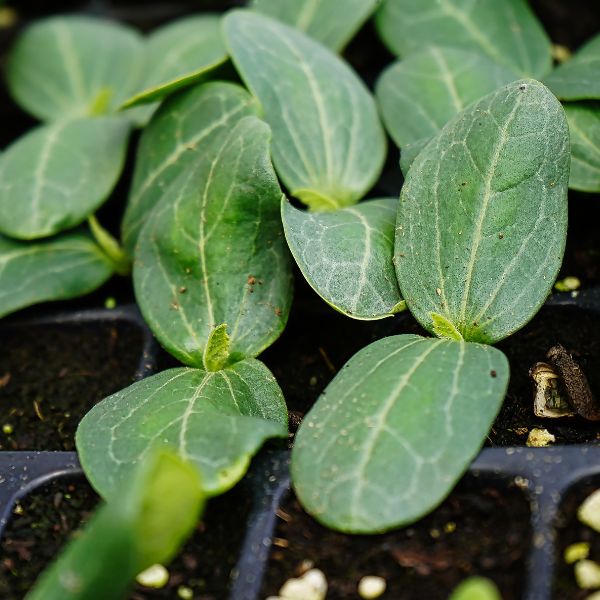
The process begins in spring, when we sow the seeds in well-drained soil. The plant grows fast through the summer, climbing wooden structures that support it up to more than three metres tall. Each fruit can measure between 30 and 80 centimetres.
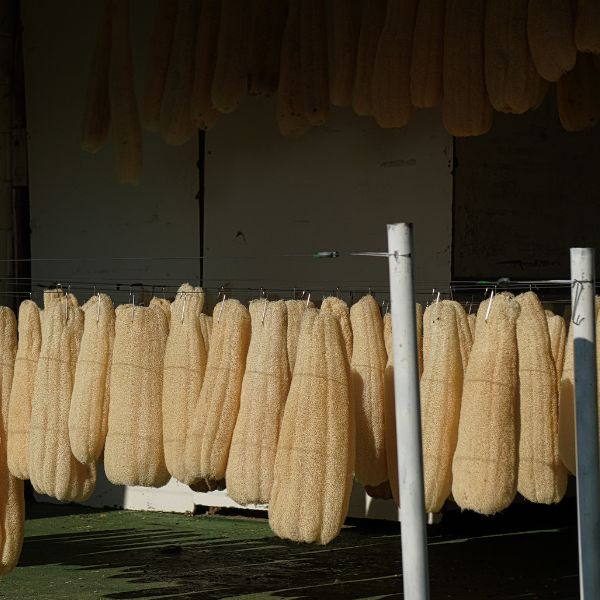
In late summer we let the fruit ripen on the plant. When the skin turns brown and crisp, we harvest it and open it up: inside is the sponge, ready to be cleaned, cut and shaped into each of our products.
One plant. Zero waste. And soft skin that withstands months of use.
Why Galicia?
The Atlantic climate, the mild springs and the long summers make the area around the Camino de Santiago an exceptional setting for growing loofah. We work with small local producers who share the same goal: to produce clean, local and sustainable.
What stays on the plant counts too
The crop residues (stems, leaves, pulp) are composted on the farm itself and return to the soil as fertiliser. This closes the cycle and maintains fertility with no added chemicals.
Discover the shop